



















Nemely — CRM starts with us.

What are you looking for?

Browse all pages

Technology

Connect your data. Give intelligence a foundation.

An analytics or AI experience is only as useful as the information it can reach and interpret. Nemely designs the connections between operational systems, Microsoft Fabric, Power BI and carefully scoped AI use cases.

Two data architects reviewing a printed system diagram at an oak desk
Microsoft FabricPower BIGrounded AI

A few organizations we've worked with

Design the path from source to answer.

This page looks at the architecture behind analytics and AI: how data becomes available, how it gains business meaning and how people can use it responsibly.

Connected data

Decide when to connect data and when to move it.

OneLake shortcuts can reference data in supported internal or external locations, reducing unnecessary copies in suitable designs. The choice still depends on source permissions, refresh needs and reliability. We assess the access path and what should happen if the source changes.
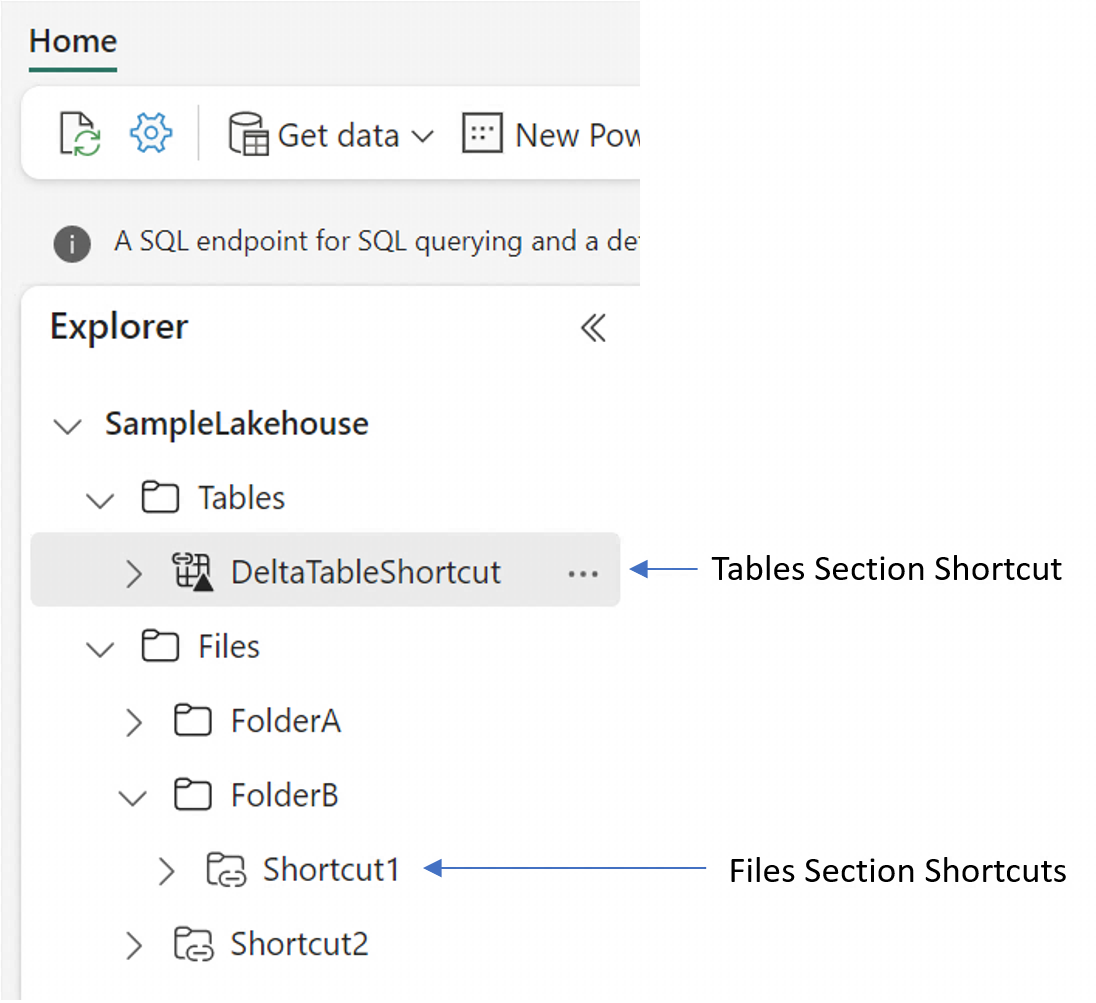
Microsoft documentation diagram showing shortcut entries in the Tables and Files areas of a Fabric lakehouse

Microsoft documentation example: shortcuts under the Tables and Files areas of a lakehouse. Source connections and access behaviour depend on the configured shortcut type.

Source: Microsoft Learn


Shared business meaning

Make a familiar business question mean the same thing.

Teams can use the same data and still disagree about revenue, an active customer or an open service request. Nemely works with the people accountable for those definitions, then carries the agreed meaning into the analytical model and the reports built on it.

Explore Power BI and analytics
A cross-functional team discussing work together around an office table

AI on your data

Give AI a defined question and a bounded source.

Fabric data agents can translate natural-language questions into read-only queries over configured data sources. That capability needs a clear scope and evaluation with business users. We define relevant tables, business terminology and representative questions, then assess whether the answers are useful and where review is needed.

  • Select the information the use case is allowed to reach.
  • Test typical questions as well as ambiguous requests.
  • Keep record-changing workflows in a separately controlled process.
Explore practical AI use cases
A data professional with glasses working beside several monitors in a studio

How Nemely helps

Prove the information path before expanding it.

We connect one meaningful question to its sources, definitions and users. The result is an architecture you can assess with working evidence before extending it to more data or AI experiences.

CRM Strategy and RoadmapData & Solution AuditLicensing Audit

Trace the required information

Identify the operational records, business definitions and access requirements behind a selected reporting or AI question.

Build a representative data path

Connect the chosen sources, model the essential information and test freshness, permissions and failure handling.

Evaluate answers with the business

Review outputs against known examples, document limitations and agree who will maintain the data and the experience consuming it.

FAQs

Your questions, answered.

Do we need Fabric before starting an AI project?

Not every AI use case needs a new analytics platform. We assess where the necessary information lives, how it can be accessed and whether Fabric adds value for the selected workload.

Can a Fabric data agent update customer records?

The data-agent capability described here queries configured sources with read-only access. A workflow that changes a customer record requires a separate action design, with its own permissions, validation and review controls.

How do you decide whether to copy or reference source data?

We consider the supported connection, source availability, access model, freshness requirements and operating cost. A shortcut can be appropriate in one case; ingestion or transformation may be necessary in another.

What affects the scope and timing of a data and AI foundation?

Source access, data preparation, refresh requirements, permissions and the workload to support determine the work. We agree a representative reporting or AI use case before estimating the platform scope. Capacity, integration, testing and ongoing ownership need to be considered alongside the initial build.

What should we bring to an architecture discussion?

Bring the business question you need to answer, an outline of the source systems and the reports or AI tools you already use. Identify the people who own the data and the intended users. This helps distinguish a targeted improvement from a need for broader platform work.

Explore the Microsoft capabilities

Explore the Microsoft capabilities

Build for today. Keep a view of what comes next.

Microsoft is moving Dynamics 365, Power Platform and Dataverse updates to the AI at Work roadmap from September 2026. We use the current feature status when planning your solution, and evaluate previews separately before proposing them for production.

Explore Microsoft’s roadmap approach

Capabilities reviewed 8 September 2026. Licensing, configuration, language and regional availability vary by feature.

Your next step

Let’s make your next step concrete.

Share the reporting or AI question your team needs to answer, and where the information lives today. Stefan can help identify a focused architecture review and a realistic way to prove the data path.

Contact us
Stefan Christiansson, CEO & Solutions Architect at Nemely, beside a blue-framed window with a city backdrop
Stefan ChristianssonCEO & Solutions Architect

Get resource